
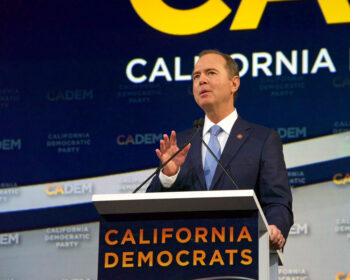
Adam Schiff is upset again—and this time, he’s finally telling the truth, even if he doesn’t realize it.
In a recent interview with ABC News, the California senator lamented what he called the Democratic Party’s “lack of a coordinated response” to President Donald Trump. Translation: Democrats are flailing, voters aren’t listening, and Schiff is furious that the same tired playbook of outrage, lawsuits, and cable-news scolding isn’t working anymore.
Schiff complained that Trump’s recent address failed to focus on the “high cost of living” issues Democrats claim voters care about, arguing that families “sitting at the kitchen table” were left wanting. It’s a rich criticism coming from a party that spent years denying inflation was even happening—until Americans started swiping credit cards just to buy groceries.
Schiff also took aim at fellow Democrats who have begun publicly admitting the obvious. Pennsylvania Sen. John Fetterman recently described his party’s behavior as a “sad cavalcade of self-owns and unhinged petulance,” a line that hit so close to home it clearly rattled Schiff. Instead of reflecting on why voters rejected Democrats in the last election, Schiff insisted the problem was messaging, not substance.
According to Schiff, Democrats need to double down—on litigation, communication strategies, and more aggressive opposition to Trump. In other words, less governing, more lawsuits. Less listening to voters, more talking at them. That approach may thrill activists on X and MSNBC panels, but it hasn’t exactly translated into electoral success.
The polling tells the real story. A new Quinnipiac University survey shows that 53% of Democrats disapprove of how their own party’s lawmakers are performing in Congress. Among all voters, just 21% approve of congressional Democrats—an all-time low since Quinnipiac began asking the question in 2009. That’s not a messaging problem. That’s a credibility problem.
By contrast, Republican voters overwhelmingly approve of their party’s performance, and despite some softening among independents, Republicans are still viewed far more favorably than Democrats who seem stuck in a permanent state of internal panic.
Schiff’s frustration is understandable. The Democratic Party lost the White House, the Senate, and failed to flip the House. Republicans made gains with working-class voters, minorities, and younger Americans—groups Democrats once took for granted. And since Trump’s return to office, Democrats have offered little beyond resistance theater and recycled talking points.
Adam Schiff helped lead the charge on Russia collusion, impeachment, and years of investigations that went nowhere. Now, as voters tune out the noise, he’s shocked to discover that shouting louder isn’t the same as leading better.
The truth Schiff doesn’t want to admit is this: Democrats didn’t lose because they lacked coordination. They lost because Americans stopped believing them.