
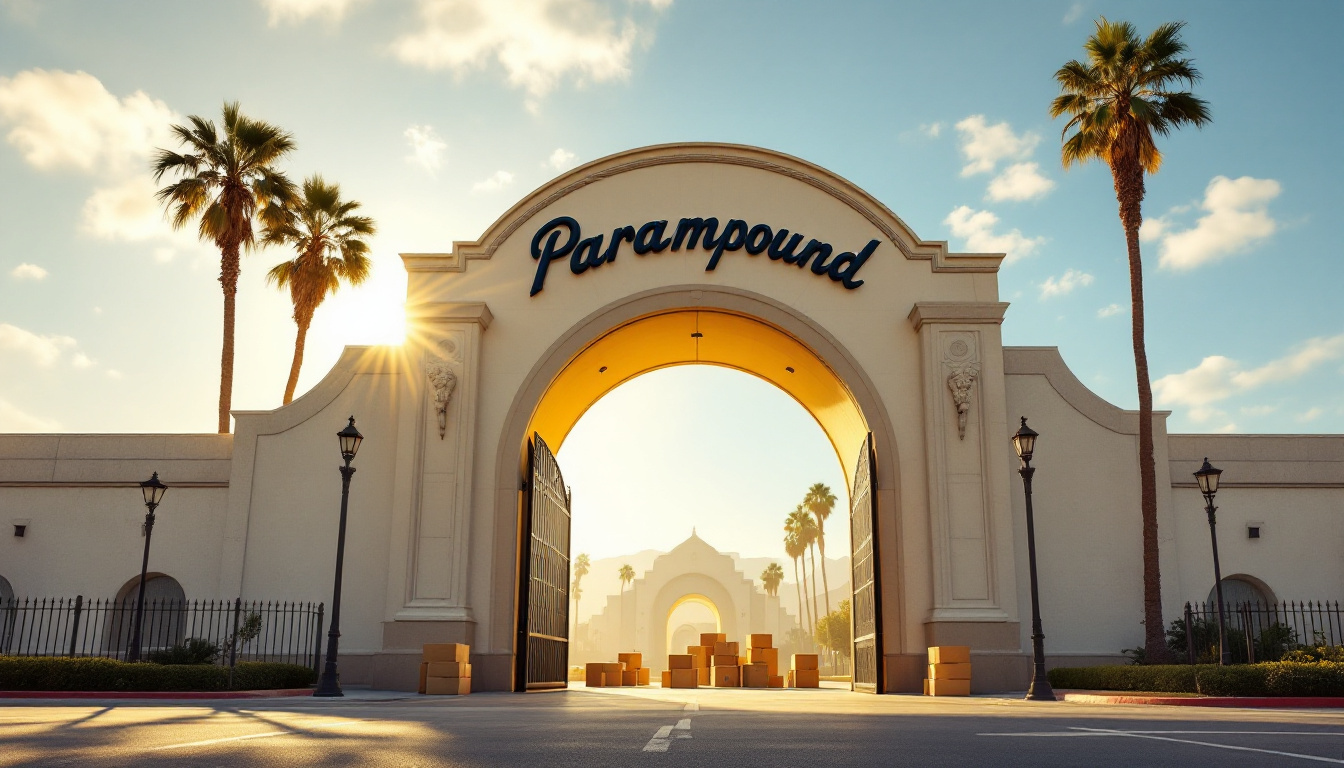
David Ellison spent $8 billion merging Skydance Media with Paramount in 2025 to take control of one of Hollywood's most iconic movie studios. Now he's planning a $111 billion takeover of Warner Bros. Discovery — and California Attorney General Rob Bonta just filed a lawsuit to kill the deal.
So Ellison's advisers are telling him to take his $30 billion in planned spending and leave the state entirely.
Reportedly Ellison is being pressed by his advisors to relocate out of California over the state's response to his business dealings. The suggestion isn't just symbolic. They're talking about redirecting up to $30 billion in planned investment to states that aren't actively trying to destroy their business. No final decisions have been made, but the fact that the conversation is happening at all should terrify Sacramento.
Bonta led a coalition of 12 state attorneys general in filing the lawsuit in U.S. District Court for the Northern District of California. The legal basis is Section 7 of the Clayton Act, which prohibits mergers that substantially reduce competition. Bonta delivered the kind of quote you'd expect from a California AG who thinks he's saving democracy: "California's film and entertainment industry touches the lives of Americans daily" and "America has no kings in government or our economy."
There's just one problem with the heroic antitrust crusader routine. The Department of Justice already looked at this deal. They spent eight months on it. They reviewed two million documents. Their conclusion: no competition harm.
The federal government — which actually has jurisdiction over antitrust at this scale — said the merger was fine. Bonta filed anyway. When the feds clear a deal after an eight-month deep dive and your state AG still sues, the question stops being about competition and starts being about politics.
Ellison is the son of Oracle co-founder Larry Ellison, which makes him exactly the kind of billionaire California politicians love to regulate while simultaneously depending on for tax revenue. The state has watched Tesla leave. It's watched Oracle leave. It watched Chevron leave. Hewlett-Packard, Charles Schwab, Public Storage, Palantir, Yamaha, and Neutrogena have all relocated out of the state. Even the company that tracks companies leaving California, CBRE, has left California. Every time, Sacramento acts shocked that businesses don't enjoy being punished for existing.
Bonta's coalition argument amounts to this: the merger would give one company too much control over entertainment content. The problem with that argument is that the DOJ — with vastly more resources and investigative authority — reviewed two million documents and disagreed. They greenlit the merger. Twelve state attorneys general overriding that conclusion doesn't signal careful antitrust enforcement. It signals a political operation.
The pattern here is the same one that's been hollowing out California's economy for a decade. The state creates a regulatory environment so hostile that companies start doing the math on relocation. Then when companies actually float leaving, officials act as though the business is being ungrateful. The entertainment industry built itself in California. California now treats that history as a hostage rather than an asset.
When your own federal government says a merger is clean and your state government sues to block it, you don't have an antitrust problem. You have a California problem.