
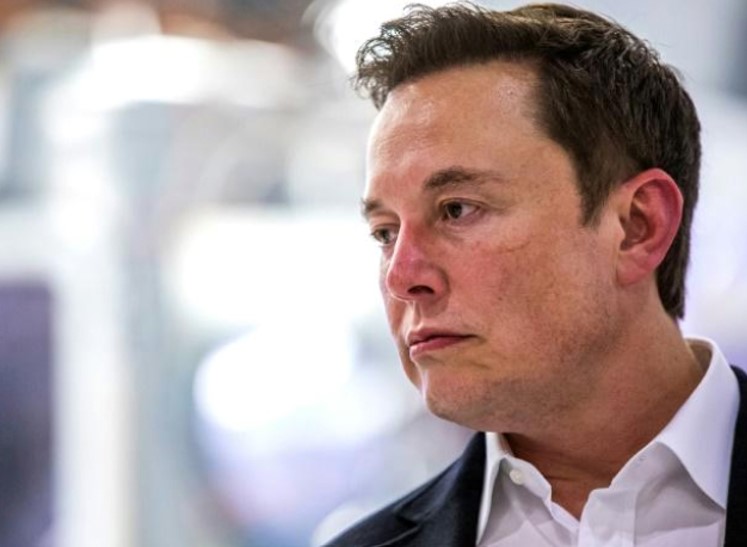
America PAC, the Elon Musk-backed political operation that dumped over $260 million into the 2024 election cycle, just announced it's coming back for the 2026 midterms. This time the target list includes at least seven top-tier states: Michigan, North Carolina, Texas, Florida, Iowa, Ohio, and Maine.
The DNC's response was to complain about billionaires. Which tells you roughly how prepared they are.
America PAC's 2026 strategy will reportedly bypass the traditional TV ad blitz entirely. Instead, the operation is building out a ground game — door-to-door canvassing, digital outreach, direct mail campaigns, and voter identification and turnout efforts. The kind of grunt work that actually wins elections, as opposed to the kind of spending that makes consultants rich.
The scale of target races is worth noting. On the Senate side, America PAC has its eye on Michigan's open seat — Democrat Gary Peters is retiring — along with North Carolina, Ohio, and Texas. On the House side, the map gets granular: competitive districts in California (the 22nd, 45th, and 48th), Florida (the 14th, 22nd, 23rd, and 25th), Michigan (the 7th, 8th, and 10th), Pennsylvania (the 7th, 8th, and 10th), and Texas (the 15th, 28th, and 34th). That's not a vanity project. That's a district-by-district ground war.
James Blair, Trump's senior political adviser, didn't exactly play coy about the partnership. "America PAC was an essential partner for our historic GOTV operation in 2024, and their return for 2026 is a huge boost for Republicans across the country," Blair said.
The president's party almost always loses seats in the midterms. It's practically a law of political gravity. Musk's super PAC is specifically designed to fight that trend, not just participate in it.
DNC spokesperson Jaelin O'Halloran offered the counterargument, such as it was. "Elon Musk dropping millions into the midterm elections tells you everything you need to know about the Republican Party: They are backed by out-of-touch billionaires, big corporations, and special interests."
The "out-of-touch billionaire" line would land harder if the operation weren't literally built around knocking on doors. It's tough to call someone out of touch when their entire strategy is face-to-face conversations with voters in their own neighborhoods. The DNC's objection isn't really about access or elitism — it's about being outworked.
Michigan is a useful case study for why the ground game matters. The state recorded a 72% voter turnout in 2024, among the highest in the nation. With Peters retiring and the seat wide open, both parties know Michigan is the kind of place where turnout infrastructure decides elections. Whoever has more boots on the ground in the 7th, 8th, and 10th districts isn't just competing — they're setting the terms.
The broader pattern here is that Republicans are treating 2026 like a general election, not a midterm nap. The traditional playbook says the opposition party gets energized while the governing party gets complacent. America PAC's reactivation is a bet that the old playbook doesn't apply when you build permanent campaign infrastructure instead of renting it every four years.
Democrats spent 2024 arguing that Musk's political spending was a threat to democracy. Now they're watching the same operation scale up for the midterms, and the best they've got is "billionaire bad." Meanwhile, the PAC is mapping out individual House districts in five states.