
Chief Judge William Campbell of the U.S. District Court for the Middle District of Tennessee just refused to freeze the state's new congressional map, effectively ending Democrat Rep. Steve Cohen's stranglehold on a Memphis seat he's held since 2007. Another day, another Democrat discovering that elections have consequences — and so do maps.
Nineteen years. That's how long Cohen has been warming that seat. And now a Republican-drawn map and an unimpressed federal judge have shown him the exit. The horror.
Tennessee enacted its new congressional map on May 7, 2026, and the left moved with the speed of a scalded cat. Plaintiffs — backed by the ACLU and ACLU of Tennessee — filed suit just four days later on May 11 in the case of Sherman v. Hargett, consolidated with Hale v. Lee (Case No. 3:26-cv-00616). They named Tennessee Secretary of State Tre Hargett, Coordinator of Elections Mark Goins, and the Tennessee Election Commission as defendants, claiming the map was "racially discriminatory and retaliatory against political speech and association."
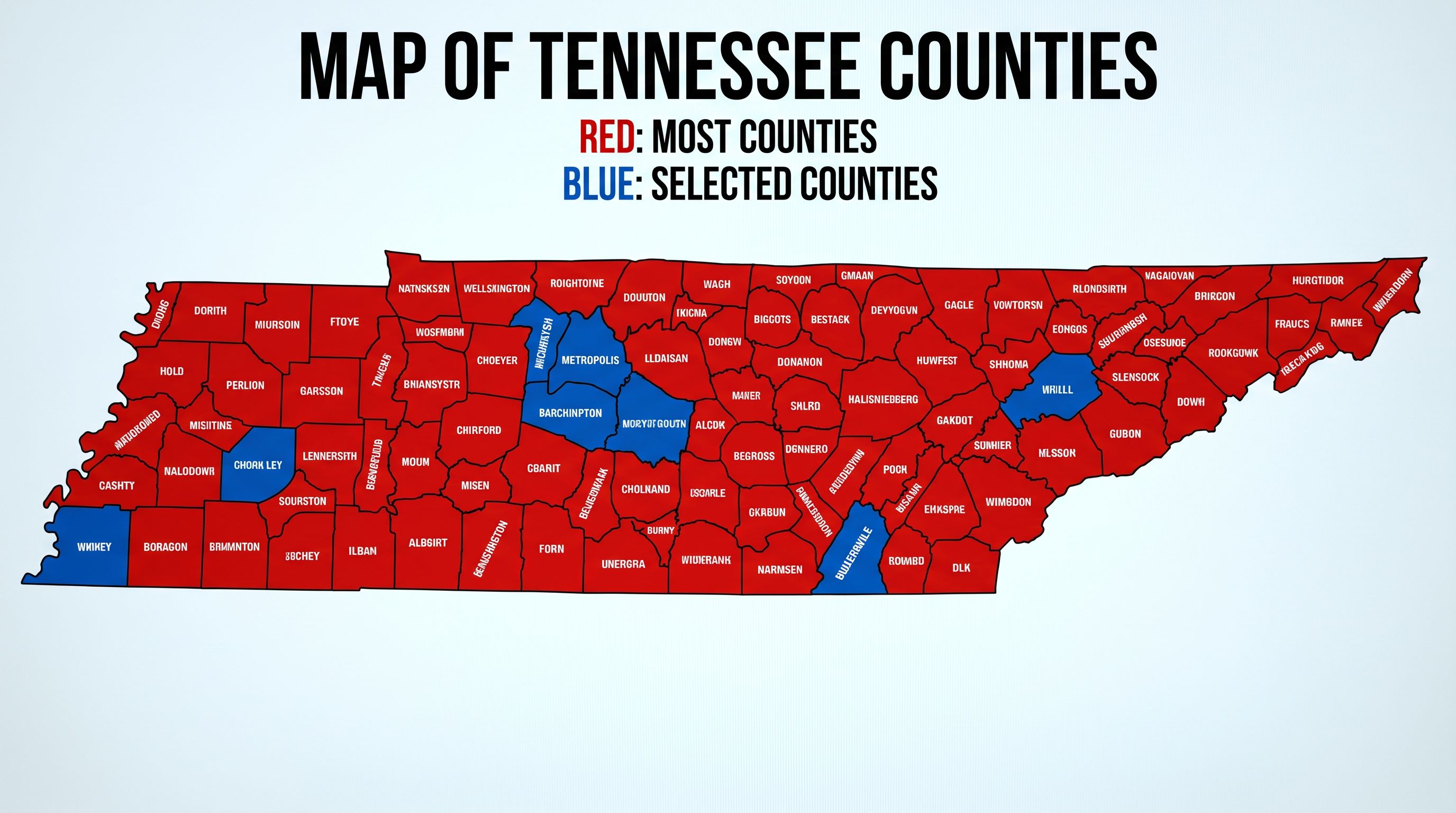
The new map carves Tennessee's 9 congressional districts so that Shelby County — home to Memphis and Cohen's power base — gets divided into 3 districts instead of being its own Democratic fortress. It's basic redistricting math: when your voters are spread across multiple districts, your guaranteed seat disappears. Democrats have done this to Republicans for decades in states they control. They just don't like it when the shoe's on the other foot.
Judge Campbell wasn't buying what the ACLU was selling. On May 26, he denied the temporary restraining order, and his reasoning was a masterclass in judicial restraint. He noted that "treating politically motivated action against an opposing political party as First Amendment retaliation could have ramifications far beyond this case." Translation: if we called every partisan redistricting move "retaliation," every single map drawn by either party would be unconstitutional. The judge saw the slippery slope and declined the invitation to slide down it.
Campbell also leaned on the Supreme Court's recent precedent in Louisiana v. Callais, which has given states broader latitude in drawing congressional maps. The legal framework is shifting, and Democrats are losing ground in courtrooms just as fast as they're losing it at the ballot box.
President Trump had urged Tennessee to take redistricting action, and the state's GOP legislature delivered. According to 100 Percent Fed Up, this ruling is one of several recent redistricting victories for Republicans heading into the 2026 midterms. Combined with favorable map rulings in other states, the GOP is building a structural advantage that no amount of ACLU lawfare can overcome.
Cohen can appeal, of course. The ACLU will surely keep throwing lawyers at this. But the first legal test is in the books, and the map survived. When a federal chief judge tells you your arguments don't hold up, that's not a great sign for round two.
Steve Cohen had a nice run. Nineteen years in one seat is a career most politicians would envy. But Tennessee voters elected a Republican legislature, that legislature drew a new map, and a federal judge said it passes muster. That's called democracy. Democrats should try accepting it sometime.