
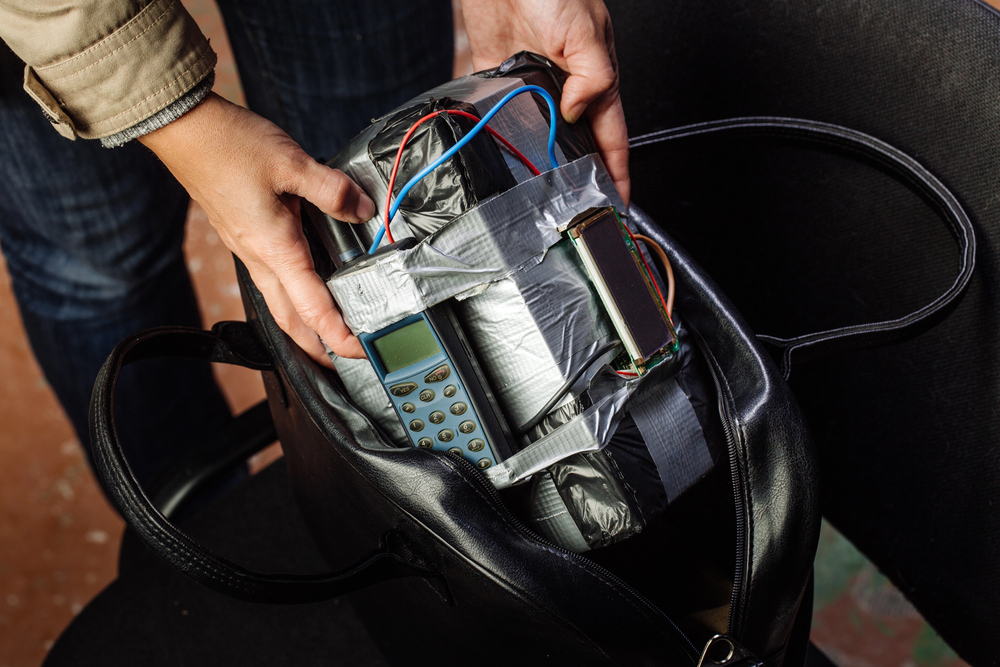
Rayden Tanner Coleman is 19 years old. He pleaded guilty to two counts of unlawfully making a destructive device. The devices were firebombs. The intended targets were U.S. Immigration and Customs Enforcement agents in Portland, Oregon.
His sentence: 75 days in jail and three years of probation.
Coleman's case originated in Columbia County, Oregon, where he was charged with manufacturing the firebombs as part of what prosecutors described as a plot targeting ICE personnel. Multiple additional charges were dismissed as part of a plea agreement — the details of which haven't been made fully public. Judge Michael T. Clarke handed down the sentence, which included credit for time already served.
So a teenager built explosive devices intended to be used against federal law enforcement officers, and the judicial system treated it like a misdemeanor with extra steps. Two counts of making destructive devices — firebombs, not cherry bombs — and the plea deal whittled it down to what amounts to a summer in county lockup.
The plea bargain pipeline is the real story here. Roughly 97 percent of state cases in major cities and about 90 percent of federal cases end in guilty pleas. That system exists for efficiency. It was designed to keep courts from collapsing under their own caseload. But efficiency and justice aren't the same thing, and when the efficiency machine takes a firebomb plot against federal agents and outputs 75 days, something in the calibration is broken.
"A plot to bomb and behead ICE agents — and he hands out time served plus probation. That is not justice," one commenter wrote in response to the United Voice report. Hard to argue with the math on that one.
The objection from the legal establishment will be that plea agreements reflect the strength of the evidence, the defendant's cooperation, and sentencing guidelines. Which sounds reasonable right up until you remember that we're talking about someone who physically constructed explosive devices to attack people whose job is enforcing immigration law. This isn't a gray area. The devices existed. He made them. He pleaded guilty to making them.
Portland has spent the better part of six years watching its federal courthouse get firebombed, its ICE facility besieged, and its law enforcement officers assaulted — and the judicial response has been a consistent pattern of charges dropped, sentences reduced, and defendants returned to the same streets where they committed the crimes. Coleman's sentence doesn't exist in a vacuum. It exists in a city where political violence against immigration enforcement has been functionally decriminalized.
Consider what 75 days means in practice. With credit for time served, Coleman may already be out. Three years of probation sounds like accountability until you look at probation violation rates and realize that supervision without consequences is just paperwork.