
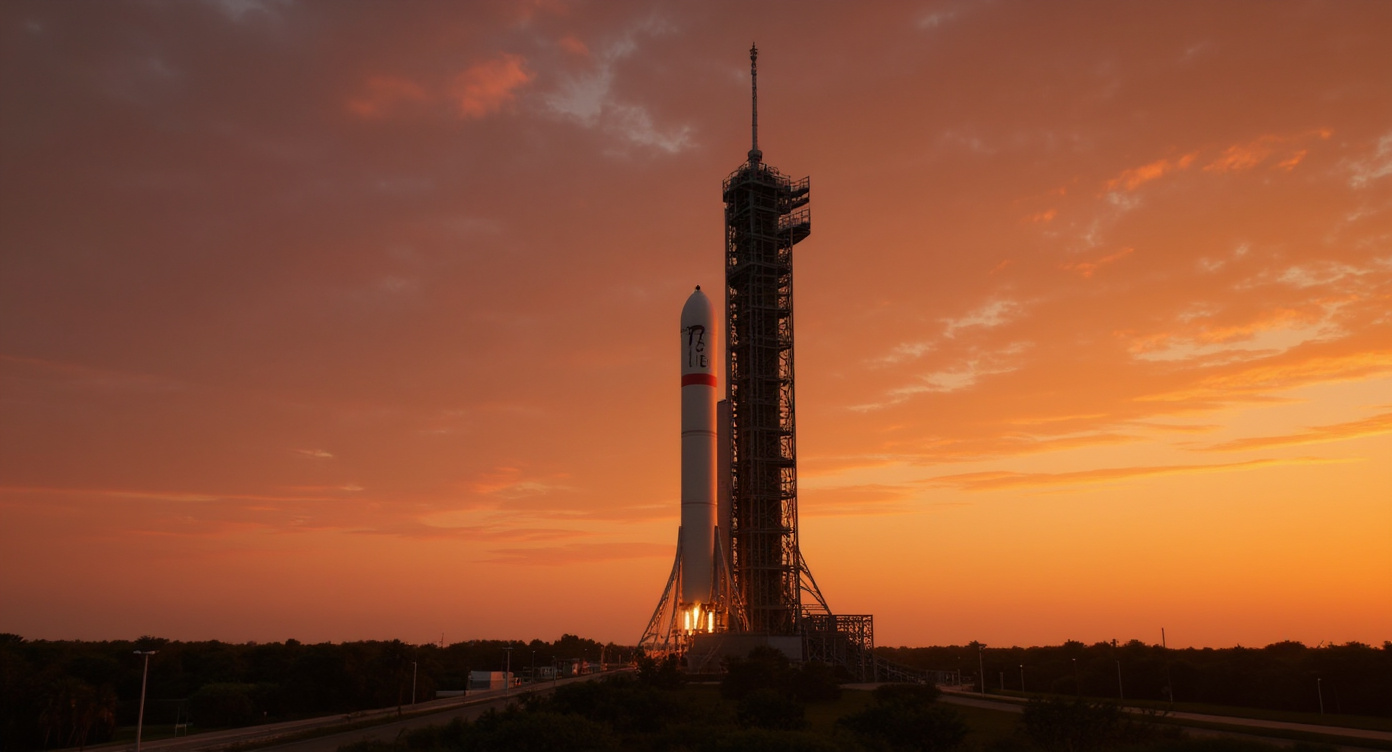
Elon Musk's SpaceX priced the biggest initial public offering in human history on Wednesday at $135 per share, selling 555.6 million shares for a total offering of $75 billion — and that's before the greenshoe option. The company hit the public markets with a staggering $1.77 trillion market capitalization, instantly vaulting into the top 10 most valuable public companies on the planet. Bigger than Musk's own Tesla. Bigger than most countries' GDP.
But sure, tell me again how America is in decline.
The previous record for the largest IPO belonged to Saudi Aramco, which raised $29.4 billion back in 2019. SpaceX didn't just beat that record — it lapped it. More than doubled it. The Saudis needed an entire kingdom's worth of oil to hit their number. Musk did it with rockets, satellites, and an AI division called xAI that didn't even exist a few years ago.
Retail investors went absolutely feral for this one. According to ZeroHedge, retail orders topped $100 billion — for a stock that allocated just 20% of shares to non-institutional buyers. The ticker is SPCX, the registration statement went effective June 11, and the company is already being fast-tracked for the Nasdaq-100 Index. Polymarket had an 84% probability it closes above the offering price on day one, with a 46% chance it pops 20% or more.
Now here's the part the financial media is trying to make into a cautionary tale. SpaceX posted a $4.9 billion net loss in 2025. Michael Field, chief equity strategist at Morningstar, pegged his fair value estimate at just $63 per share — less than half the IPO price. "We believe the business has real strengths, particularly in Starlink," Field said, "but with so many unknown and untested technologies underpinning much of the valuation price, particularly within the AI business, we think the valuation is extremely speculative."
This is a company that catches rockets out of the sky with giant mechanical arms and has a satellite internet constellation circling the globe. But some analyst with a spreadsheet thinks it's overpriced. Sure thing, pal.
Short-seller James Chanos, founder of Chanos & Co., couldn't resist weighing in either. "The total addressable market for space is infinite," Chanos said. "You can build whatever stories you want — colonies on Mars, factories on the moon, data centers in space — to justify the valuation." He meant it as a warning. Most of us heard it as a sales pitch.
Kim Forrest, chief investment officer at Bokeh Capital Partners, nailed the real sentiment: "It's probably the most hopeful IPO" — people want to be part of the future. And Anthony Saglimbene, chief market strategist at Ameriprise, called it "a big deal as a kind of precursor for Anthropic and OpenAI," meaning the SpaceX listing could blow the doors open for the next wave of mega-tech IPOs.
Musk will retain 84% of voting power after the offering and faces a one-year lock-up period. The filing even includes performance-based provisions for up to 1.3 billion additional Class B shares — triggered when SpaceX hits a $7.5 trillion market cap, establishes a Mars colony of 1 million permanent inhabitants, or builds 100 terawatts of annual computing power outside Earth. Most companies set milestones like "increase revenue 15%." Musk set his at "colonize another planet."
While Europe is busy regulating AI into a coma and China is busy copying last decade's technology, an American company that literally sends rockets to space and back just pulled off the largest public offering any stock exchange has ever seen. That's not speculative. That's American exceptionalism with a ticker symbol.