
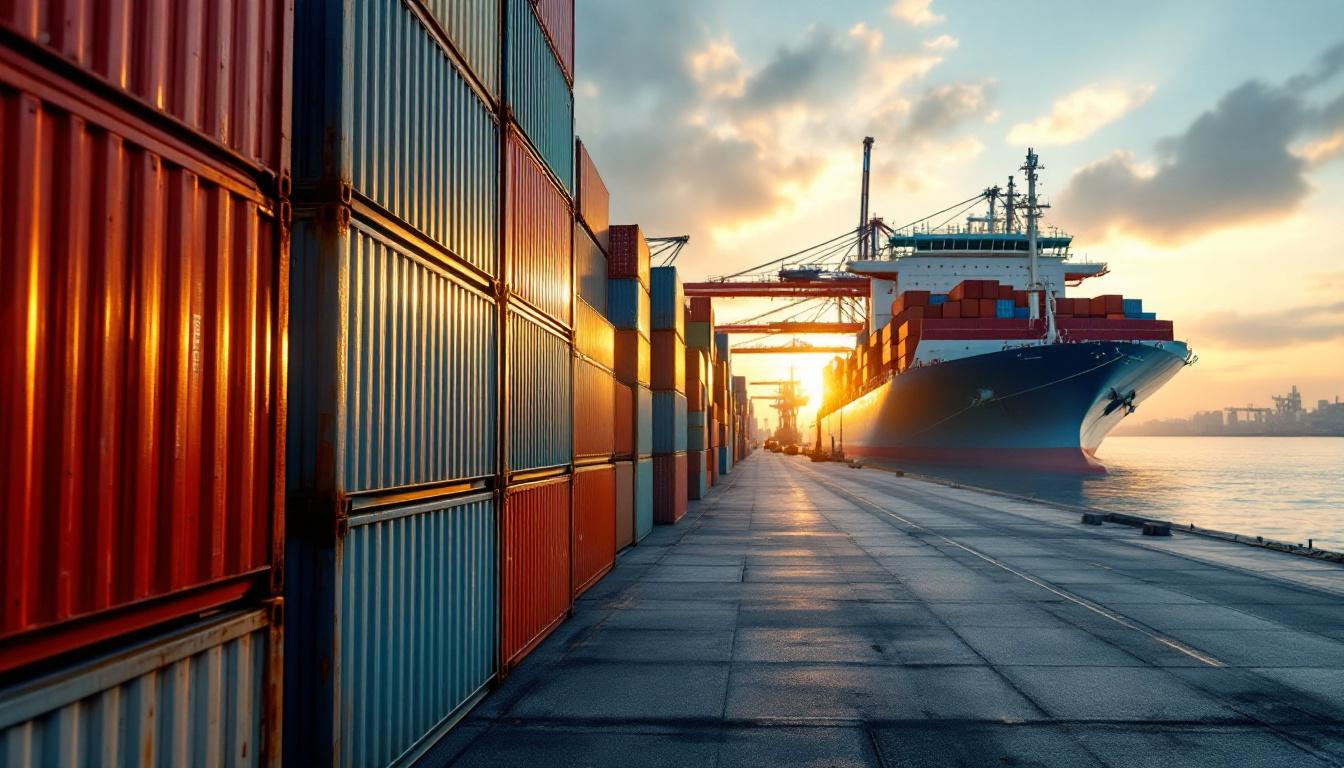
We’ve been hearing for weeks about how the standoff with Iran is spiking gas prices and messing with fertilizer supplies. Shipping through the Strait of Hormuz is a mess, freight costs are through the roof, and supply chains are doing that thing supply chains do when two countries start flexing on each other in a narrow waterway. All very serious stuff. Very geopolitical. But buried in all the war talk is a side effect that absolutely nobody had on their bingo card — and frankly, it might be the funniest unintended consequence of American foreign policy since we accidentally made French wine more popular by renaming french fries.
Condom prices are skyrocketing. I repeat: the Iran conflict is making it more expensive to have consequence-free recreational activities. Somewhere, a dorm room full of college freshmen just felt a disturbance in the Force.
Here’s what’s actually happening. Karex Bhd, a Malaysian company most of you have never heard of, is the largest condom manufacturer on planet Earth. They crank out five billion condoms a year. Five. Billion. That’s roughly fifteen condoms for every single person in the United States, and if that number seems high to you, congratulations on being married. Karex supplies the rubber behind major brands including Durex and Trojan — basically, if you’ve ever seen a condom in a gas station bathroom vending machine, there’s a solid chance it started life in a Malaysian factory.
Now, condoms are petroleum-based products. They need specific chemical compounds derived from oil and gas. And when shipping lanes get choked off and freight costs go haywire because two nations are playing chicken in the Persian Gulf, the entire supply chain for anything petroleum-adjacent gets hit. Fertilizer, gasoline, plastics — and yes, prophylactics.
Karex CEO Goh Miah Kiat — a man whose job title alone should earn him a spot on late-night television this week — told Reuters the situation is “definitely very fragile” and that “prices are expensive.” The company is looking at raising condom prices by 20 to 30 percent if the disruptions keep up. Their stockpiles are depleted. Inventory is short. The global condom supply is, and I cannot believe I’m typing this, in a fragile state.
Twenty to thirty percent. On condoms.
Let that sink in for a second. We’ve spent the last decade watching the left lecture us about “reproductive health access” being a fundamental human right. They’ve demanded free birth control, taxpayer-funded contraception, and government-subsidized everything below the waist. Planned Parenthood has an annual budget that could fund a small country. And now, because of a geopolitical standoff that their foreign policy heroes spent eight years failing to prevent, the price of the one product they never shut up about is about to jump by a third.
You can’t write this stuff. Hollywood wouldn’t even pitch it because the script would get rejected for being too on the nose.
Now look — we’re not rooting for expensive condoms. We’re capitalists. We like affordable goods, free markets, and supply chains that work. But there is something deeply, cosmically amusing about the fact that the same crowd who melted down over Trump pulling out of the Iran nuclear deal is now watching the consequences of decades of failed Iran policy hit them right in the… wallet.
Because let’s be clear about how we got here. The Strait of Hormuz didn’t become a crisis zone overnight. Iran has been probing, pushing, and threatening that chokepoint for years. Obama sent them pallets of cash and got a pinky promise in return. Biden tried to resurrect that same garbage deal while Iran was openly enriching uranium and arming proxies across the Middle East. Every single expert who said “just be nice to the mullahs and they’ll behave” is currently watching condom prices spike because the mullahs did not, in fact, behave.
Meanwhile, the five billion condoms a year that Karex produces? They don’t just supply American gas stations. They supply developing nations, NGO health programs, and international aid organizations. So the people who are going to get hit hardest by this aren’t frat boys at State — it’s the global health programs that progressives claim to care so much about. The ones funded by the same international order they keep telling us to protect.
Irony doesn’t knock on the door anymore. It kicks it in.
The practical reality is this: freight costs are up, shipping is delayed, and petroleum-based products across the board are getting more expensive. Condoms are just the funniest item on that list. Farmers are paying more for fertilizer. Truckers are paying more for diesel. And now Trojan is about to cost you thirty percent more at CVS. It’s all connected, and it all traces back to a waterway that carries roughly a third of the world’s seaborne oil.
Trump, to his credit, has been the only president in recent memory willing to actually confront Iran rather than appease them. Whether you agree with every tactical decision or not, at least the man isn’t pretending that sending John Kerry to Vienna for another round of wine and negotiations is going to solve anything. We tried that. It didn’t work. And now we’re all paying for it — at the gas pump, at the grocery store, and apparently at the pharmacy.
So the next time someone on cable news starts wringing their hands about the “costs of confrontation” with Iran, just remember: the cost of not confronting Iran has been building for twenty years. We’re just finally seeing the invoice. And part of that invoice, hilariously, is a 30% markup on Trojans.
God bless America. And good luck out there, kids.