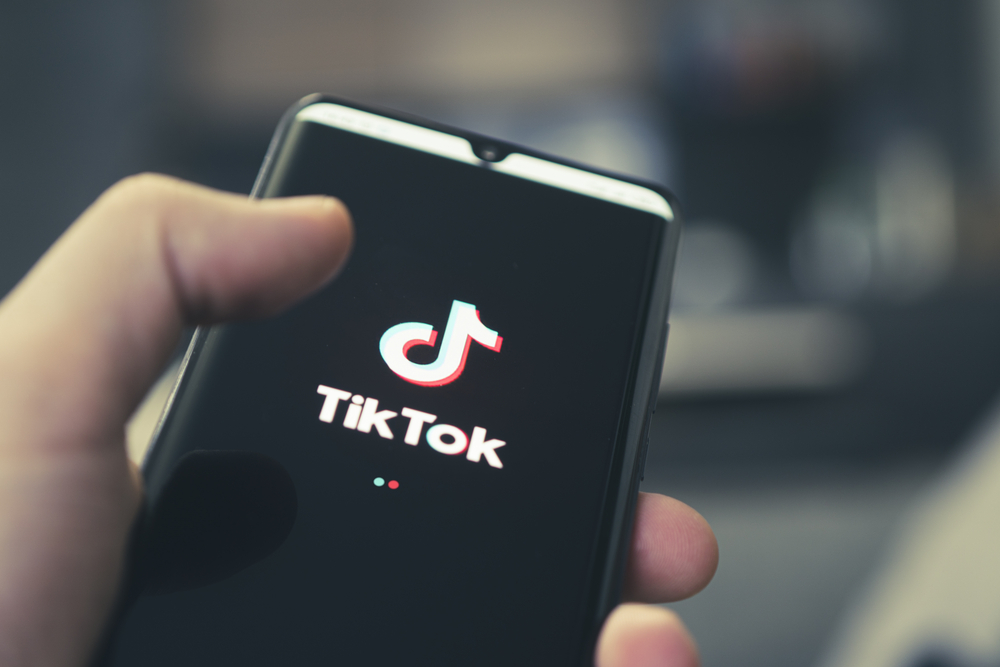
Four hundred million dollars. That's the number the Department of Justice just attached to TikTok's habit of harvesting personal data from children without their parents knowing about it. The settlement, announced August 22, resolves allegations that the Chinese-owned app violated the Children's Online Privacy Protection Act — federal law that exists specifically because companies can't be trusted to leave kids alone online.
TikTok's parent company is ByteDance. ByteDance is based in Beijing. The data belonged to American children.
The DOJ's complaint, originally filed in 2024, laid out the core violation: TikTok collected children's personal information without obtaining parental consent, a direct breach of COPPA. The app's predecessor, Musical.ly, had the same problem — which means this wasn't a bug in the system. It was the system.
Associate Attorney General Stanley E. Woodward Jr. didn't mince words. "This settlement is a major victory for American children and parents," Woodward said. The structure of the payout tells you the DOJ wasn't interested in letting TikTok spread the pain over a decade of installments. Three hundred million dollars is due immediately. The remaining $100 million comes upon entry of an order vacating a prior consent decree — meaning TikTok already had a deal with regulators and still couldn't keep its hands off children's data.
Brett A. Shumate, Assistant Attorney General for the Civil Division, put the principle in plain English. "Companies that collect children's personal information must comply with the law," Shumate said. That shouldn't need to be stated out loud by a senior DOJ official. The fact that it does tells you everything about how TikTok operated.
The case was filed in U.S. District Court for the Central District of California with the Federal Trade Commission involved alongside the DOJ. TikTok, as part of the resolution, has implemented what it calls enhanced safeguards, age controls, and parental oversight features. Which raises the obvious question: why weren't those features there before the federal government came knocking?
Remember the debate. Every time Congress moved to address the TikTok problem, a chorus of voices insisted this was really about free expression, about not wanting to ban an app teenagers love, about overreach. The actual threat — a Beijing-linked company vacuuming up data from minors who couldn't legally consent to it — got buried under content-creator testimonials and First Amendment posturing.
The $400 million settlement is the largest penalty TikTok has faced. And it covers conduct that was already supposed to be prohibited under a prior agreement with regulators. The company knew the rules. It had already been caught once. It kept collecting.
Four hundred million dollars, a prior consent decree, two federal agencies, and a law that's been on the books for over two decades.
Apparently the dance videos needed a lot of personal data to function.