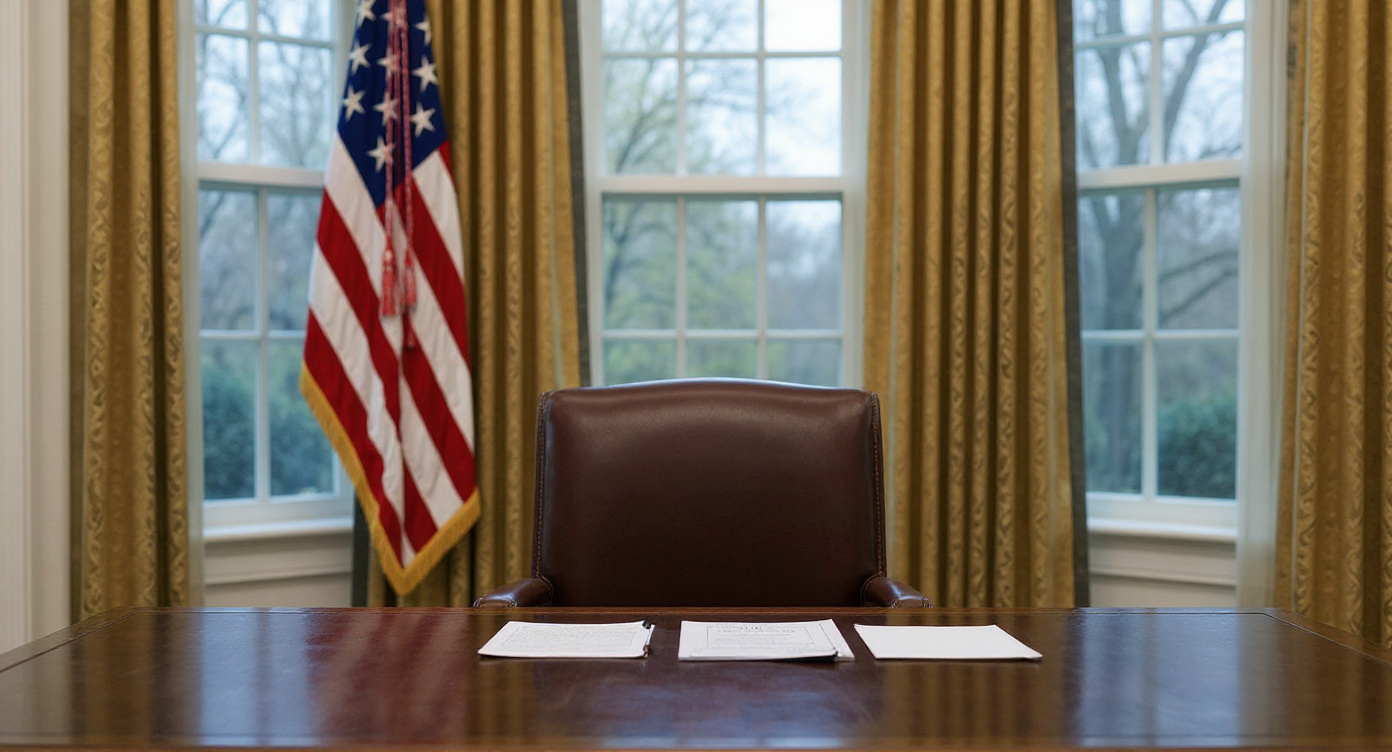
The stage was set. The pens were ready. The 21st Century Road to Housing Act had cleared the Senate 85-5 on Monday and the House 358-32 on Tuesday — the kind of bipartisan margins that make congressional leadership giddy for a photo op.
Then Trump canceled.
President Trump pulled out of the scheduled bill signing event at the last minute on Tuesday, June 24, telling Congress he won't put his name on anything until they pass the SAVE Act — the Safeguard American Voter Eligibility Act, which would require proof of citizenship to register to vote in federal elections.
The housing bill itself wasn't the issue. It bars institutional investors from purchasing single-family homes, a measure designed to reduce housing costs and give young Americans a shot at homeownership. It passed with overwhelming support in both chambers. By every normal metric, this was a layup signing — walk in, scribble, shake hands, take the picture.
But Trump isn't operating on normal metrics. He looked at a Congress that found time to pass a housing bill with 358 votes but still hasn't moved on election integrity, and decided to use the one thing they wanted — his signature — as leverage.
House Speaker Mike Johnson backed the play, agreeing that the SAVE Act is the top priority, according to Not the Bee. That alignment matters. It means this isn't a rogue executive throwing a tantrum — it's a coordinated pressure campaign with the Speaker's office treating election integrity as the price of doing business.
The mechanics here are simple. Congress sends bills to the President's desk expecting a ceremony. The ceremony is the reward — the bipartisan handshake, the signing photo, the press release back home about how Senator So-and-So delivered for constituents. Trump just removed the reward and replaced it with a condition.
The SAVE Act would require documentary proof of citizenship — a passport, a birth certificate, a naturalization certificate — before a person can register to vote in federal elections. It's the kind of measure that polls well with voters and poorly with the people who benefit from registration systems that don't ask too many questions.
An 85-5 Senate vote and a 358-32 House vote mean Congress can clearly pass legislation when it wants to. The question Trump just forced into the open is whether they want to pass this one — and what it says about them if they don't.
They gave him a bill about houses. He told them to come back with one about votes.