
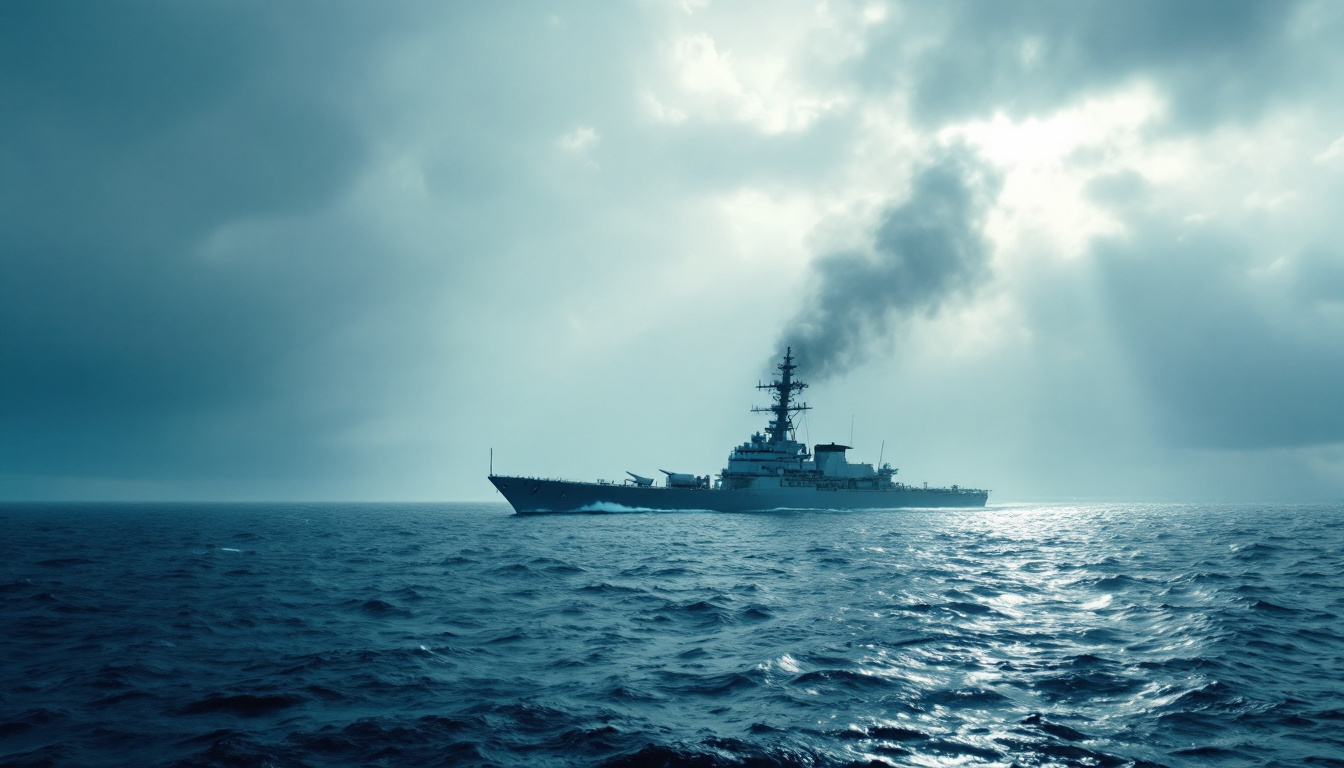
On August 28, the USS San Antonio — an amphibious transport dock designated LPD 17 — pulled up on a floating refueling station in the Eastern Pacific Ocean near Ecuador. U.S. Marines and Sailors boarded it, searched it, cleared the personnel off safely, and then sank it.
Not impounded. Not sanctioned. Sank.
The platform belonged to the Los Choneros cartel, one of Ecuador's most violent narco-trafficking organizations. It served as a clandestine refueling node in international waters, allowing drug-running vessels to extend their range deep into the Pacific without returning to port. The operation was carried out by Joint Task Force Western Hemisphere, known as JTF-WHEM, under the authority of U.S. Southern Command.
SOUTHCOM Commander Gen. Francis L. Donovan framed the strike in terms that left zero ambiguity about the mission's intent. "Today's operation is a stark example of the Americas Counter Cartel Coalition's power to dismantle the sophisticated, clandestine narco-terrorist tactics" used by trafficking networks, Donovan said. The Americas Counter Cartel Coalition — designated A3C — coordinates across the Department of Treasury, the Department of War, and allied military partners to target cartel logistics at every level.
What makes this operation worth noting isn't just the spectacle of watching a narco gas station disappear beneath the waves. It's what it represents operationally. Cartels don't build floating refueling stations because they're flush with resources and looking for hobbies. They build them because their supply lines have gotten long enough and profitable enough to justify the infrastructure investment. That platform was a critical logistics node — a mid-ocean pit stop that let trafficking vessels bypass coastal interdiction zones entirely.
When you cut that node, you don't just stop one shipment. You collapse an entire route. Every vessel that depended on that station for range now has to either find another way or not make the run at all. The military described it as "cutting off a critical node in the traffickers' logistics chain," and for once, the Pentagon's operational language actually undersells what happened.
The individuals operating the platform were safely escorted to Ecuador, per WLT Report. No casualties. No international incident. Just a precise operation that removed a piece of cartel infrastructure from the map permanently.
For four years under the previous administration, the preferred approach to cartel operations was interdiction-lite — catch a boat here, seize a shipment there, issue a press release, repeat. The cartels adapted faster than the policy. They built networks with redundancy, logistics with depth, and floating gas stations in international waters because they knew nobody was coming to sink them.
That calculation just changed. Gen. Donovan's A3C coalition isn't chasing individual shipments. It's dismantling the infrastructure that makes the shipments possible. There's a difference between swatting mosquitoes and draining the swamp they breed in.
Somewhere in the Eastern Pacific, there's a cartel logistics planner staring at a map with one fewer dot on it.